

Legality Of Playing Online Poker In South Carolina
South Carolina has some of the most comprehensive and restrictive anti-gambling laws in the entire United States (the state doesn't even have a single physical casino, relying entirely on a state lottery and a casino cruise ship docked in Little River). However, the way the state treats players vs. operators is completely different. For operators, the laws are harsh and extremely clear. Running an unauthorized gambling business or hosting illegal poker games that collect a rake is prosecuted aggressively under state law, carrying heavy fines and prison time. However, for the individual players sitting at their computers, it becomes a much less intimidating issue.
Technically, playing online poker for real money falls under South Carolina Code of Laws (Section 16-19-40), which broadly prohibits wagering on card games. Participating in online gambling as a player is classified as a misdemeanor. On paper, this carries a maximum penalty of 30 days in jail or a $100 fine. However, the reality is that enforcement of this law against an individual playing from the comfort of their own home is completely non-existent.
As of 2026, there are zero recorded cases of an individual getting arrested or prosecuted for simply playing online poker from their computer. State law enforcement (SLED) spends its available resources hunting the "big fish," shutting down illegal underground gambling rings and video poker machines, rather than knocking on doors to bust individuals playing cards on their laptops.
How South Carolina Residents Currently Play
Since the state of South Carolina has zero commercial casinos and doesn’t issue any traditional licenses for state-regulated online poker sites (iGaming is strictly prohibited), residents who choose to play usually end up on sweepstakes poker sites.
Sweepstakes Sites
This is the legal gray area that allows operators to host online poker games in the United States, and sweepstakes poker is fully accessible and legally tolerated in South Carolina.
Essentially how it works is the site will use a “dual-currency” system where one currency will have no value (think free money chips), and the other currency you get as a “bonus” with purchase of the free money currency that can actually be redeemed for real prizes.
So under the model where Gold Coins “GC” are the free money chips, and Sweeps Coins “SC” are the chips that can be redeemed for real prizes, it would work something like this:
- You buy 10,000 GC for $10 that comes with 10 SC for free as a bonus
- You can play with the GC at the GC-only tables but there are no prizes redeemable
- You can play with the SC at the SC-only tables where after you’re done playing, you can redeem SC back for USD prizes at a rate of 1 SC for 1 USD
- No purchase is necessary for SC. They give these away for free at mail-in request if you don’t want to make any purchases on the site.
These sites use the same legal structure as grocery store sweepstakes. When a company like Danimals puts a prize code on a yogurt, you aren't 'gambling' because you're technically buying the yogurt and getting the contest entry for free. Poker sites do the same: you buy 'Gold Coins' for fun, and they give you 'Sweeps Coins' as a free bonus. As long as they also offer a way to get those Sweeps Coins for free (like mailing in a request), they legally qualify as a sweepstakes rather than a traditional online poker site.
Because of their legal status, these sweepstakes poker rooms are able to offer traditional payment methods such as Debit Cards and Bank Transfers allowing easier access for users to purchase and redeem coins on the site.
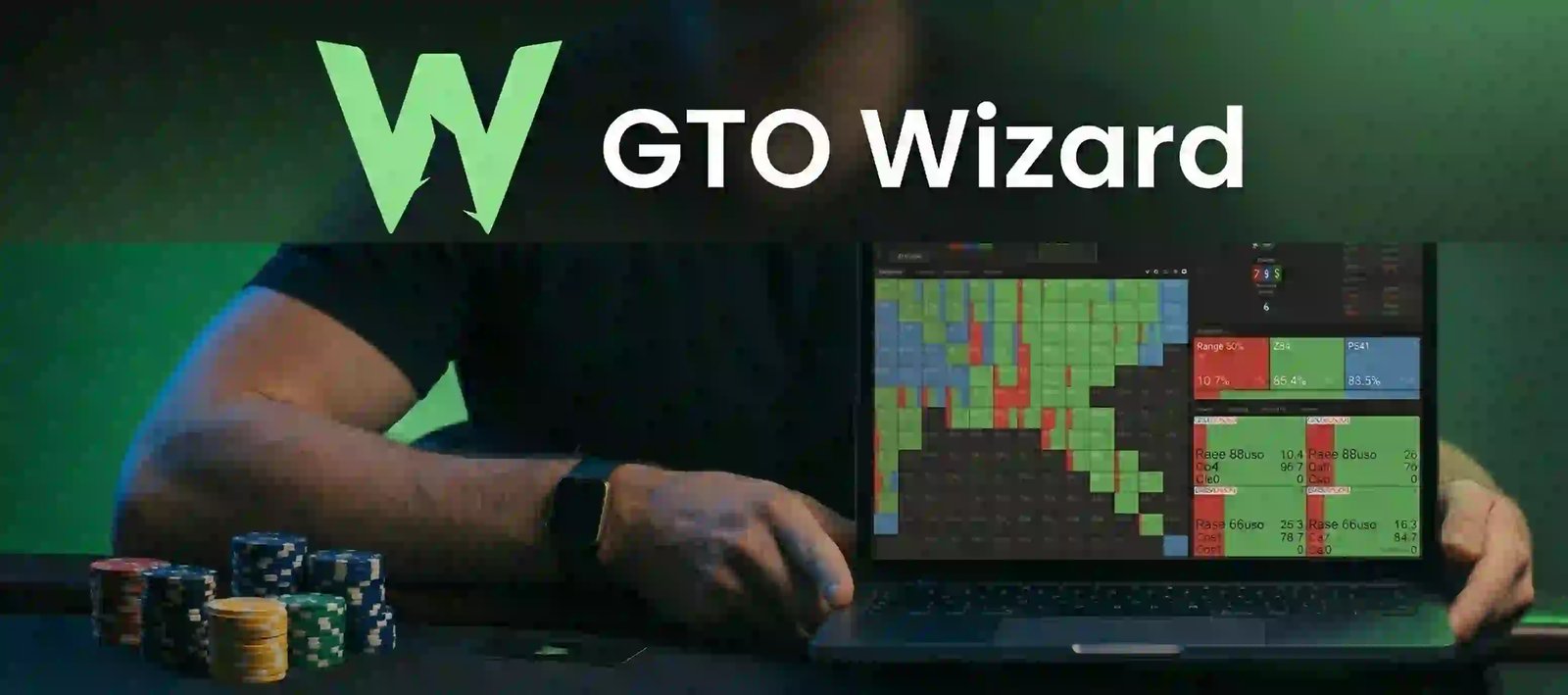

- ✓GTO Trainer with instant feedback
- ✓One-click hand history analysis
- ✓Full preflop & postflop GTO solver
Recent Legal Developments
2024-2025 Legal Landscape
While much of the country was rapidly expanding gaming, South Carolina remained firmly rooted in its conservative traditions throughout 2024 and 2025. Lawmakers did introduce a few unlikely to pass bills- such as House Bill 3353 (a constitutional amendment to allow casino activities) and House Bill 3625 (the South Carolina Sports Wagering Act)- but these were largely performative.
These bills faced massive, insurmountable opposition from the state’s religious and conservative voting blocs. They completely stalled out in committee, generating zero real momentum. Notably, even within these long-shot gambling expansion bills, online poker and iGaming were completely absent from the conversation.
2026 Legal Landscape
Entering 2026, the legislative landscape for state-regulated real-money online poker remains practically non-existent. There was a minor blip of activity in February 2026 when a Senate committee held a hearing for S.444, a bill attempting to establish a Sports Wagering Commission. However, near-term legalization remains highly unlikely given the massive political hurdles involved.
For poker players, this means that state-regulated, ring-fenced online poker is not on the horizon. The state legislature hasn't even figured out if it wants a basic sportsbook yet, so complex digital poker markets are lightyears away. Fortunately, while lawmakers debate the morality of sports betting, they have largely ignored online sweepstakes platforms. Sweepstakes models survived the legislative sessions untouched and remain fully operational as the primary legal online avenue for South Carolina players.
Current State Of South Carolina Poker
If you’re just a resident playing from home, the state of South Carolina simply doesn’t care enough to go after you. Is it technically a misdemeanor under state code to play online poker? Sure. But with a maximum penalty of just a $100 fine, has anyone ever had their door kicked in for simply playing online poker on their laptop? Absolutely not, and there’s no sign that’s going to change anytime soon. Furthermore, with sweepstakes poker fully allowed in the state, you have reliable, legal alternatives while lawmakers continue to reject traditional iGaming bills. The decision whether to play or not is a choice you have to make for yourself, but we hope that the aggregation of information in this overview guide was helpful in allowing you to make an informed decision.