

Legality Of Playing Online Poker In Indiana
Indiana has a massive, well-established retail casino and sports betting industry, but the way it treats players vs. operators is completely different. For operators, the laws are harsh and extremely clear. Running an unauthorized gambling business or hosting illegal poker games that collect a rake is a Level 6 felony, carrying serious prison time and heavy fines. However, for the individual players sitting at their computers, it becomes a much less intimidating issue.
Technically, playing online poker for real money falls under "Unlawful Gambling". Under Indiana Code (IC 35-45-5-2), participating in unauthorized gambling is classified as a Class B misdemeanor, which on paper carries a maximum penalty of 180 days in jail and a $1,000 fine. It's advisable to stay clear of offshore operated sites due to the existing law as well as legal alternatives available to Indiana residents.
It is crucial to note that it is not illegal to play on specifically sweepstakes poker sites in Indiana. Because these platforms operate under US sweepstakes laws- and thanks to recent specific legislative exemptions carving out protections for peer-to-peer poker- playing on dual-currency sites is fully permitted. You are not breaking any state laws, nor are you committing any level of misdemeanor, by participating on these platforms. You can play, purchase coins, and redeem prizes with zero legal risk.
How Indiana Residents Currently Play
Since the state of Indiana doesn’t issue any traditional licenses for state-regulated online poker sites (iGaming is not currently authorized), residents who choose to play usually end up on sweepstakes poker sites.
Sweepstakes Sites
This is the legal gray area that allows operators to host online poker games in the United States, and thanks to a very recent legislative carve-out, sweepstakes poker remains fully legal and accessible in Indiana.
Essentially how it works is the site will use a “dual-currency” system where one currency will have no value (think free money chips), and the other currency you get as a “bonus” with purchase of the free money currency that can actually be redeemed for real prizes.
So under the model where Gold Coins “GC” are the free money chips, and Sweeps Coins “SC” are the chips that can be redeemed for real prizes, it would work something like this:
- You buy 10,000 GC for $10 that comes with 10 SC for free as a bonus
- You can play with the GC at the GC-only tables but there are no prizes redeemable
- You can play with the SC at the SC-only tables where after you’re done playing, you can redeem SC back for USD prizes at a rate of 1 SC for 1 USD
- No purchase is necessary for SC. They give these away for free at mail-in request if you don’t want to make any purchases on the site.
These sites use the same legal structure as grocery store sweepstakes. When a company like Danimals puts a prize code on a yogurt, you aren't 'gambling' because you're technically buying the yogurt and getting the contest entry for free. Poker sites do the same: you buy 'Gold Coins' for fun, and they give you 'Sweeps Coins' as a free bonus. As long as they also offer a way to get those Sweeps Coins for free (like mailing in a request), they legally qualify as a sweepstakes rather than a traditional online poker site.
Because of their legal status, these sweepstakes poker rooms are able to offer traditional payment methods such as Debit Cards and Bank Transfers allowing easier access for users to purchase and redeem coins on the site.
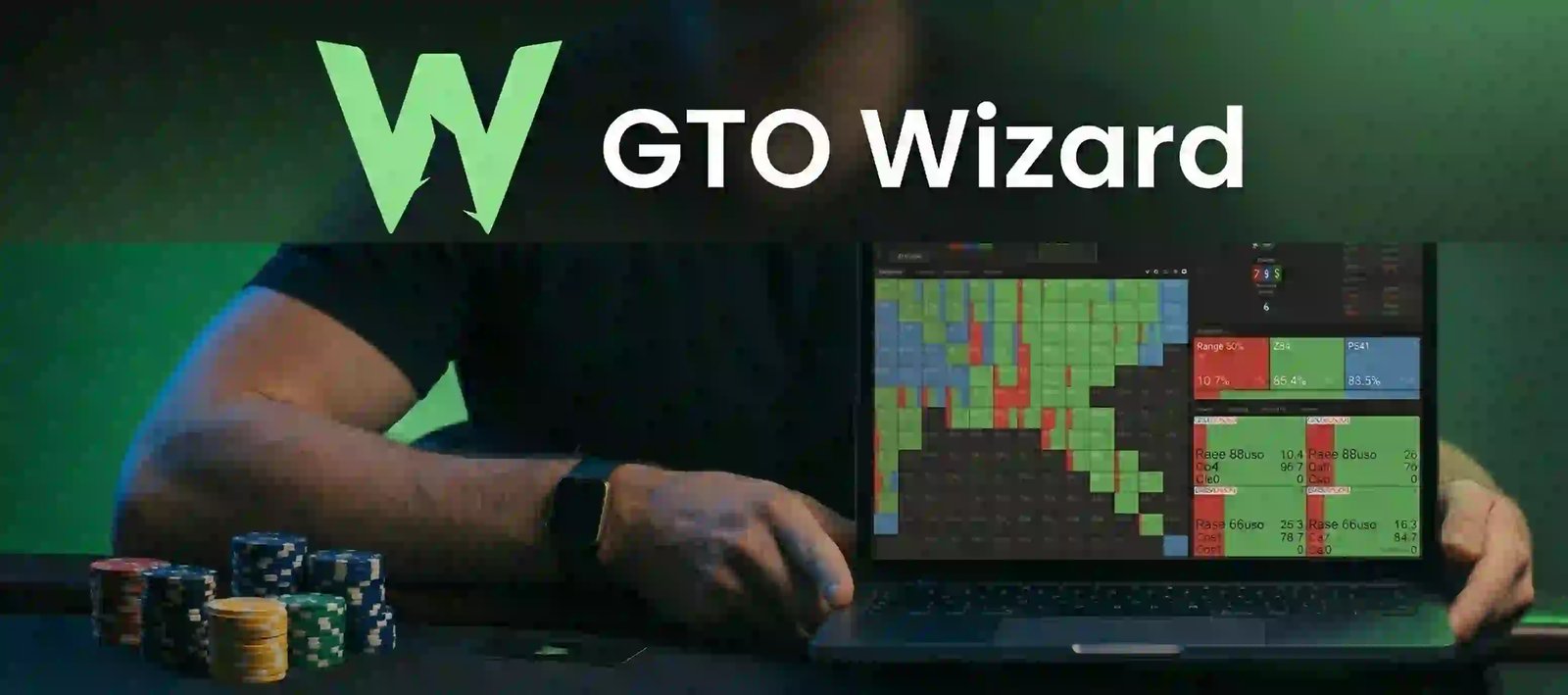

- ✓GTO Trainer with instant feedback
- ✓One-click hand history analysis
- ✓Full preflop & postflop GTO solver
Recent Legal Developments
2024-2025 Legal Landscape
Indiana has a thriving mobile sports betting market, leading many to believe that iGaming (online casinos and poker) would naturally follow. However, the 2024 and 2025 legislative sessions proved otherwise. Bills to legalize online poker repeatedly failed to even make it out of committee.
Two main factors killed the momentum: First, heavy lobbying from the state's physical casinos, who aggressively argued that allowing players to play from their phones would cannibalize foot traffic and retail revenue. Second, the lingering stench of a 2023 scandal where a former state lawmaker admitted to accepting bribes from a gaming company made current legislators terrified to touch any massive gambling expansion bills. The push for regulated real-money iGaming was effectively frozen.
2026 Legal Landscape
Entering 2026, the legislative landscape shifted from expanding gambling to aggressively cracking down on unregulated markets- with one very lucky break for poker players.
In early 2026, lawmakers passed House Bill 1052, a massive omnibus bill that explicitly banned dual-currency sweepstakes casinos. Signed into law by Governor Mike Braun in March and taking effect on July 1, 2026, the bill authorizes the Indiana Gaming Commission to slap operators with massive $100,000 fines for offering sweepstakes slots, table games, or sports betting.
However, HB 1052 specifically included an exemption for "peer-to-peer skill-based poker games." Because poker advocates successfully argued that poker is a game of skill played against other humans (rather than against the house like slots), sweepstakes poker rooms survived the purge. While online sweepstakes casinos are now illegal in the Hoosier State, platforms like Clubs Poker remain legally protected and fully operational. State-regulated, ring-fenced online poker isn't happening soon, but the sweepstakes loophole for poker is officially state-sanctioned.
Current State Of Indiana Poker
With the state legislature explicitly carving out an exemption for peer-to-peer sweepstakes poker in 2026, you have a completely legal, reliable alternative while traditional sweepstakes casinos get the boot. These sweepstakes poker sites offer all normal payment methods such as debit card and bank transfer deposits and withdrawals, in comparison to offshore unregulated sites that primarily operate via cryptocurrency only.