

Legality Of Playing Online Poker In Alaska
Alaska is notoriously cold shouldered toward traditional gambling, but the way it treats players vs. operators is completely different. For operators, the laws are harsh and extremely clear. Running an unlicensed gambling business or hosting poker games that collect rake fees can result in Class A misdemeanors or Class C felonies, which carry heavy fines and up to five years in prison. However, for players, it becomes a much less intimidating issue.
Technically, playing online poker for real money on an unregulated site falls under unlawful "Gambling" in Alaska. However, under Alaska Statutes § 11.66.200, participating as a player is explicitly classified as a mere "violation"- meaning it is neither a felony nor a misdemeanor. A first offense on paper carries a maximum fine of $500, with absolutely no possibility of jail time. Furthermore, the state provides an affirmative defense for participating in "social games," so your unraked home games are fully protected.
As of 2026, there are zero recorded cases of an individual getting cited or fined for simply playing online poker. Law enforcement in Alaska has historically spent its limited resources on hunting the "big fish," shutting down illegal underground gambling rings and illicit gaming devices rather than targeting individuals who choose to play cards online.
How Alaska Residents Currently Play
Since the state of Alaska doesn't issue any poker licenses for online poker sites (and has no commercial casinos or lottery to regulate them), residents who choose to play usually end up on sweepstakes poker sites.
Sweepstakes Sites
This is the legal gray area that allows operators to host online poker games in the United States.Essentially how it works is the site will use a “dual-currency” system where one currency will have no value (think free money chips), and the other currency you get as a “bonus” with purchase of the free money currency that can actually be redeemed for real prizes.
Under the model where Gold Coins “GC” are the free money chips, and Sweeps Coins “SC” are the chips that can be redeemed for real prizes, it would work something like this:
- You buy 10,000 GC for $10 that comes with 10 SC for free as a bonus
- You can play with the GC at the GC-only tables, but there are no prizes redeemable
- You can play with the SC at the SC-only tables where after you’re done playing, you can redeem SC back for USD prizes at a rate of 1 SC for 1 USD
- No purchase is necessary for SC. They give these away for free at mail-in request if you don’t want to make any purchases on the site.
These sites use the same legal structure as grocery store sweepstakes. When a company like Danimals puts a prize code on a yogurt, you aren't 'gambling' because you're technically buying the yogurt and getting the contest entry for free. Poker sites do the same: you buy 'Gold Coins' for fun, and they give you 'Sweeps Coins' as a free bonus. As long as they also offer a way to get those Sweeps Coins for free (like mailing in a request), they legally qualify as a sweepstakes rather than a traditional online poker site.
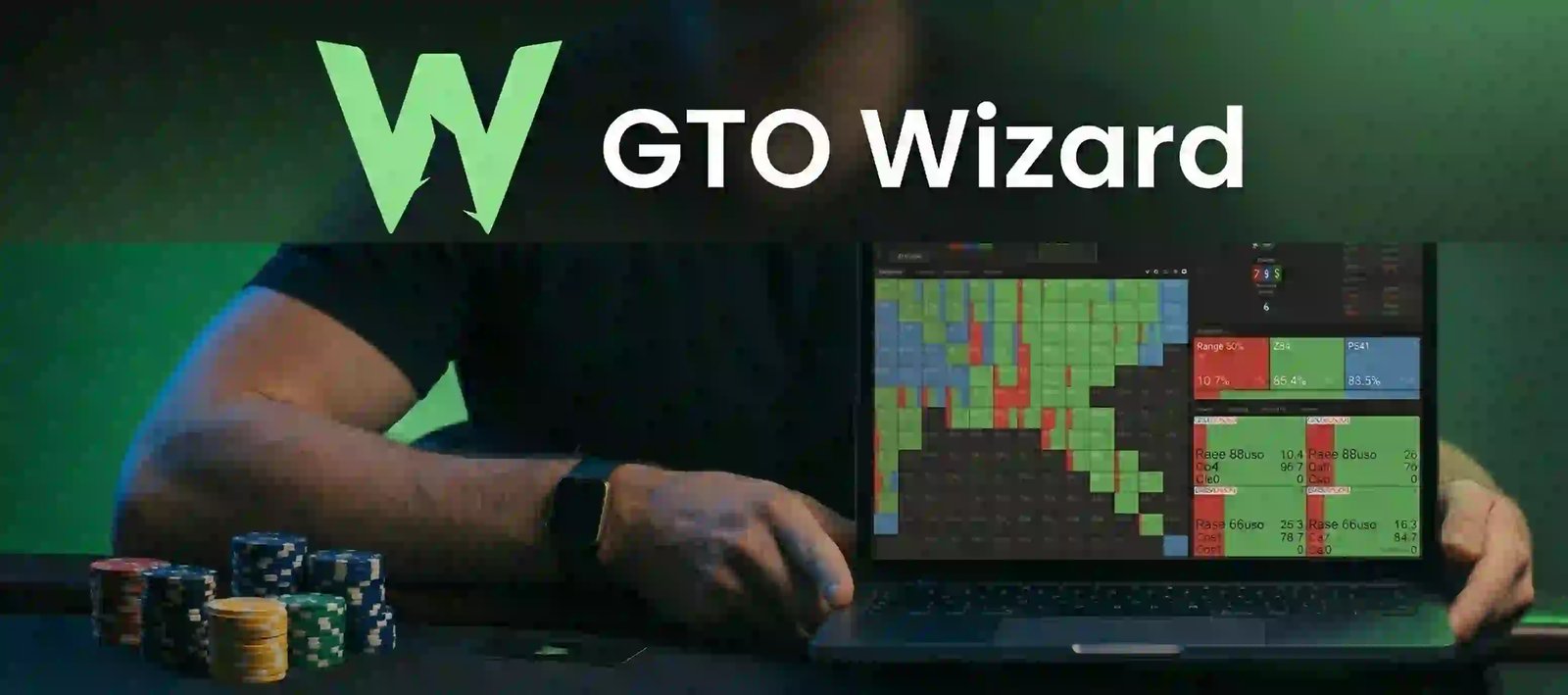

- ✓GTO Trainer with instant feedback
- ✓One-click hand history analysis
- ✓Full preflop & postflop GTO solver
Recent Legal Developments
2024-2025 Legal Landscape
Alaska historically has one of the most conservative gambling landscapes in the country- no state lottery, no commercial casinos, and no legalized sports betting. The only legally permitted gaming facilities are a handful of tribal bingo halls and charitable pull-tab operations. In the 2024 and 2025 legislative sessions, poker wasn't even on the table.
Instead, the biggest gambling push came in the form of Senate Bill 194, introduced in May 2025.SB 194 was a narrowly tailored effort to authorize and tax mobile sports wagering, reflecting the nationwide trend of legalizing sportsbooks. Crucially for the poker community, this bill explicitly avoided any mention of "casino-style games" or iGaming. The legislative appetite in Juneau was strictly limited to sports betting, leaving online poker out in the cold.
2026 Legal Landscape
Entering 2026, the legislative outlook for state-regulated real-money online poker remains frozen. Unlike other states actively debating massive omnibus gaming packages, Alaska’s lawmakers are moving at a glacial pace. The focus of the 34th Legislature remains tethered to either advancing delayed sports betting frameworks (like SB 194) or tweaking regulations around existing charitable bingo.
For poker players, this means that state-regulated, ring-fenced online poker is not on the immediate horizon. Furthermore, Alaska’s geographical isolation and tiny population- which makes a closed-liquidity poker market mathematically unviable for operators anyway- further reduce the incentive for lawmakers to champion a poker-specific bill. Sweepstakes models will remain the primary legal avenue for the foreseeable future.
Current State Of Alaska Poker
If you’re just a resident playing from home, the state of Alaska simply doesn’t care enough to go after you. Is it technically a "violation" under state law to play on an unregulated site? Sure. But given that it doesn't even qualify as a misdemeanor, carries no jail time, and has a 0% enforcement rate, has anyone ever been penalized for simply playing online poker on their laptop on a snowy Saturday morning? Absolutely not, and there’s no sign that’s going to change anytime soon. The decision whether to play or not is a choice you have to make for yourself, but we hope that the aggregation of information in this overview guide was helpful in allowing you to make an informed decision.